
Looking for an Undercover Armor Flex Alternative? Why the TruXedo Sentry CT Hard Roll-Up Delivers Better Value
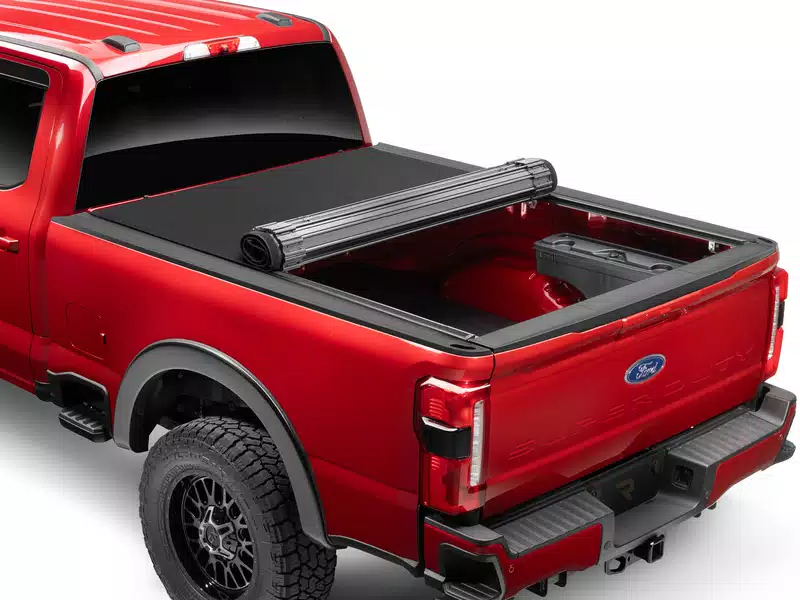
The Undercover Armor Flex has earned a reputation as a premium hard roll-up tonneau cover, but it’s not the only option in this category. If you’re researching an Undercover Armor Flex alternative that delivers comparable durability without the premium price tag, the TruXedo Sentry CT deserves serious consideration.
We built the Sentry CT to address the same needs that draw truck owners to high-end hard roll-ups: weather protection, security, and ease of use. The difference comes down to construction choices, installation requirements, and long-term value. This guide walks through the key comparisons so you can decide which cover actually fits your truck and budget.

Material Construction: Aluminum vs Composite
The Armor Flex uses a proprietary composite material that blends ABS plastic with aluminum reinforcement. It’s lightweight and resists denting, but the composite construction means you’re limited to Undercover’s repair network if a slat cracks.
Our Sentry CT uses extruded aluminum slats with powder-coat finish. The all-aluminum design weighs slightly more, but you gain impact resistance that matters in real-world conditions: hail, falling branches, heavy snow loads. Aluminum also doesn’t degrade under UV exposure the way composite materials can after years in direct sun.
The frame architecture differs too. Both covers use a rail-mounted system, but the Sentry CT’s reinforced hinge points distribute stress across three contact areas instead of two, which reduces flex when you’re rolling the cover open with one hand.
Installation Complexity and Clamp Systems
Undercover’s installation requires precise rail alignment and tensioning adjustments that can take 90 minutes for a first-time installer. The clamp system uses specialty fasteners that need a torque wrench to avoid stripping.
We designed the Sentry CT with integrated clamps that adjust by hand. The front header installs with four bolts, and the rails self-level once you tighten them down. Most owners finish installation in under an hour without specialty tools.
Both systems are no-drill, so you’re not modifying your truck bed. The real difference shows up when you need to remove the cover for hauling tall cargo: the Sentry CT’s quick-release clamps let you pull the entire assembly in under five minutes, while the Armor Flex requires loosening and re-tensioning each rail clamp.
Cargo Access and Daily Use
Hard roll-up covers give you partial bed access without removing the entire cover. The Armor Flex rolls to a 12-inch bundle at the cab, leaving about 80% of the bed accessible. The Sentry CT rolls to a slightly smaller 10-inch bundle, giving you an extra two inches of usable space.
Both covers lock in any position along the rails, but the locking mechanisms differ. Undercover uses a rotary latch at the tailgate, which works well until the rubber seal compresses after a year or two and the latch starts requiring two hands to engage. Our Sentry CT uses a cam-lever system that maintains consistent tension regardless of seal compression.
The cover position when rolling also matters for winter use. The Sentry CT’s lower-profile bundle sits closer to the cab, which reduces wind resistance and keeps snow from building up behind the rolled cover. We’ve tested this in Wyoming winters where snow accumulation becomes a real problem.

Weather Sealing and Water Management
No tonneau cover is completely waterproof, but hard roll-ups handle rain better than soft covers. The Armor Flex uses a triple-seal design at the rails and tailgate, with drainage channels that route water toward the bed corners.
The Sentry CT uses a similar channel system but adds front header drains that prevent pooling at the cab end during heavy rain. We also spec thicker EPDM rubber seals that maintain flexibility down to -40°F, while many composite covers use thinner seals that stiffen in cold weather and allow wind-driven rain to seep through.
Both covers handle highway speeds without whistling or flapping. If you regularly drive in heavy crosswinds, the Sentry CT’s aluminum rigidity keeps the slats from flexing, which eliminates the drumming sound some composite covers develop at 70+ mph.
Warranty Coverage and Long-Term Support
Undercover backs the Armor Flex with a five-year warranty that covers manufacturing defects but excludes damage from “normal wear” like seal compression or paint fade. The definition of normal wear becomes subjective when you file a claim three years in.
We cover the Sentry CT with a five-year warranty that explicitly includes seal replacement and powder-coat finish. If a rail clamp cracks or a slat dents from an impact, we replace it. The TruXedo Platinum Tonneau Cover uses the same slat extrusions as the Sentry CT, which means replacement parts remain in production as long as we build any hard roll-up in the lineup.
Warranty claims also differ in processing time. Undercover routes claims through your original dealer, which can add 10-14 days before a replacement ships. We handle claims directly, and most parts ship within 48 hours of approval.
Choosing the Hard Roll-Up That Fits Your Priorities
The Undercover Armor Flex is a solid cover, but it’s not the only choice in the premium hard roll-up category. The Sentry CT delivers the same core benefits—security, weather protection, and easy bed access—with construction choices that make sense for long-term ownership.
If you value straightforward installation, all-metal durability, and warranty coverage that doesn’t require parsing fine print, the Sentry CT is the better value. We built it to handle the conditions our own trucks see, and we back it with support that doesn’t end when you drive off the lot.
Common Questions About Hard Roll-Up Tonneau Cover Alternatives
The Sentry CT typically runs $100-150 less than the Armor Flex for the same truck bed size. You're getting comparable materials and better warranty coverage at a lower entry price.
The cost difference comes from manufacturing scale and dealer markup. We sell direct in many markets, which eliminates middleman costs that get passed to you.
The Sentry CT is designed for DIY installation with basic hand tools. You'll need a socket wrench and about 45 minutes.
The rails clamp onto your bed rails without drilling, and the front header bolts into place with included hardware. The instruction manual includes torque specs, but you don't need a torque wrench for a secure fit.
Yes, the Sentry CT is compatible with all major spray-in bedliners including Line-X and Rhino Lining. The clamp system adjusts to accommodate the added thickness of the liner coating.
If you have a drop-in plastic bedliner, you may need to trim the liner's top rail slightly for the clamps to seat properly.
If you're in a climate with temperature swings from below zero to over 100°F, the Sentry CT's all-aluminum construction handles expansion and contraction better than composite materials. The EPDM seals also maintain flexibility across a wider temperature range.
We've tested the Sentry CT in North Dakota winters and Arizona summers without seal failure or latch issues.
The Sentry CT is rated for 500 pounds of evenly distributed weight when closed and locked. That's enough for a roof-top tent or cargo rack mounted to crossbars.
The aluminum slats distribute load across the full bed width, so you won't get sagging at the center like you would with a soft cover.
Minimal maintenance is required. Spray the rail seals with silicone lubricant twice a year to keep them pliable, and check the clamp bolts for tightness every few months.
The powder-coat finish doesn't need waxing, but washing the cover with soap and water prevents dirt buildup in the rail channels.